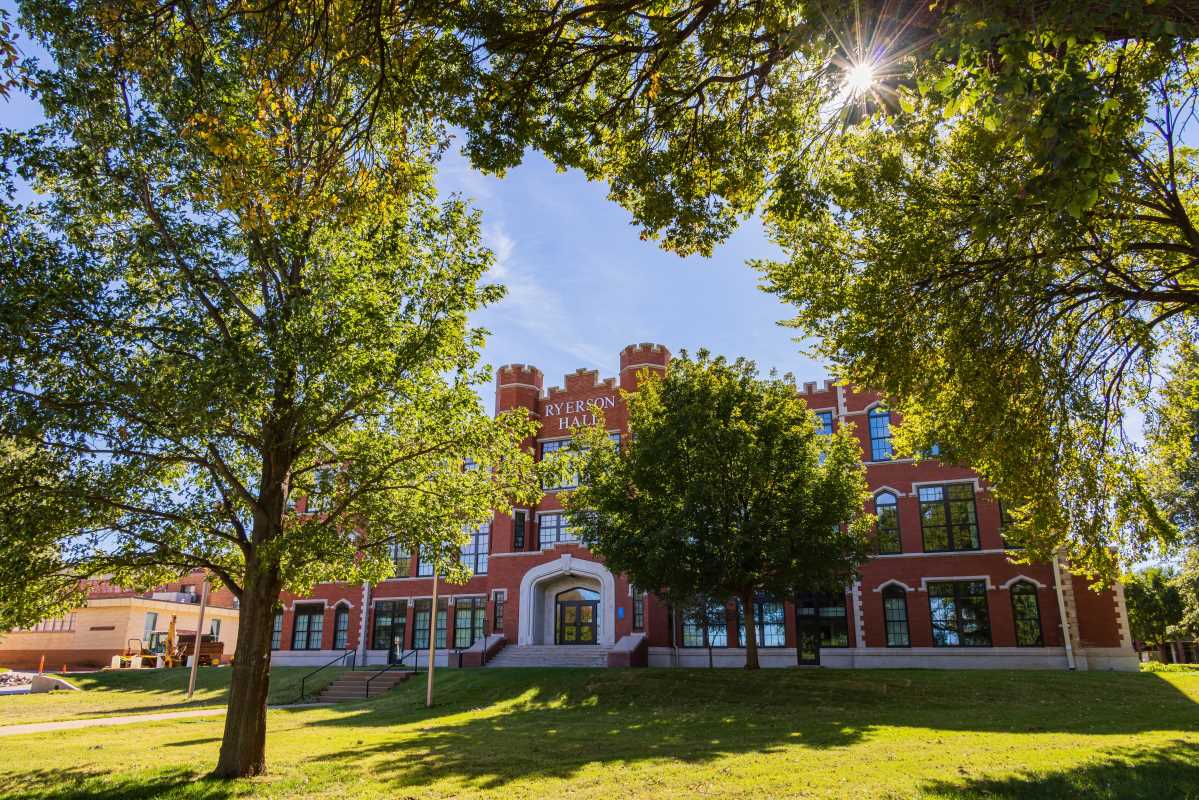
 (Image via
Helping students find the right college is a core part of what we do in higher education. When it comes to creative arts and design majors, the search can feel a little different. It's not just about test scores and GPAs; it's about finding a place where artistic talent can truly flourish and lead to a successful career. This guide is designed to help you, as a higher education professional, better advise the creative students you work with by highlighting some of the top institutions and what makes them stand out in the world of art and design education.
When we talk about "top colleges" for the arts, we're looking beyond simple rankings. A great art program is defined by several key factors. These include the quality of the faculty, who are often working artists and designers themselves, the facilities and resources available to students, the strength of the curriculum, and the success of its alumni. A school's location can also play a huge role, offering access to museums, galleries, and industry connections that are invaluable for budding creatives. It's about finding a supportive ecosystem that nurtures talent, encourages experimentation, and provides a clear pathway to the professional world.
Let's explore some of the institutions that consistently excel in preparing students for careers in the creative arts and design.
Rhode Island School of Design (RISD)
Location: Providence, Rhode Island
It's nearly impossible to discuss art and design education without mentioning RISD. Consistently ranked among the best art schools globally, RISD offers a rigorous and immersive experience. What sets it apart is its intense, studio-based learning environment. Students don't just learn about art; they live and breathe it from day one.
Why it's a top choice:
- Foundation Studies: All first-year undergraduates go through the same Foundation Studies program. This year-long curriculum focuses on the fundamental principles of drawing, 2D design, and 3D design. It's a challenging boot camp that builds a strong conceptual and technical base, ensuring every student, regardless of their intended major, has a shared understanding of the core elements of art and design.
- The RISD Museum: The school has its own world-class museum, which serves as a massive resource for students. It's not just a place to visit; it's an extension of the classroom. Students can study original works up close, from ancient textiles to contemporary paintings, providing inspiration and historical context for their own creations.
- Brown University Partnership: RISD students can take classes at neighboring Brown University, an Ivy League institution. This dual-degree program allows students to combine their artistic pursuits with a strong liberal arts education, fostering well-rounded individuals who can think critically and contextually about their work.
Parsons School of Design, The New School
Location: New York, New York
Situated in the heart of Greenwich Village, Parsons leverages its New York City location to provide an unparalleled educational experience. The city itself becomes a living laboratory for students. Parsons is especially renowned for its fashion design program, but its strengths extend across a wide range of disciplines, including communication design, fine arts, and strategic design and management.
Why it's a top choice:
- Industry Integration: Parsons excels at connecting students with the professional world. The curriculum often involves projects with real-world clients, and the faculty is composed of industry leaders. This approach ensures that students are not only learning theory but also applying their skills in a practical, relevant context.
- Interdisciplinary Approach: Parsons is part of The New School, a university known for its progressive, interdisciplinary approach to education. Art and design students are encouraged to take courses in social sciences, humanities, and public policy. This helps them understand the social, cultural, and economic impact of their work, preparing them to be more than just technicians but thoughtful, engaged creators.
- Global Perspective: With a campus in Paris and numerous global programs, Parsons emphasizes an international outlook. Students are encouraged to study abroad and engage with different cultures, which is critical in today's interconnected creative economy.
School of the Art Institute of Chicago (SAIC)
Location: Chicago, Illinois
SAIC is known for its conceptual and interdisciplinary approach. Unlike schools with rigid major tracks, SAIC gives students the freedom to explore and combine different media. A student interested in painting can easily take courses in performance art, sound design, and sculpture. This flexibility is perfect for students who don't want to be confined to a single discipline.
Why it's a top choice:
- Curricular Freedom: SAIC’s open curriculum is its defining feature. It empowers students to forge their own paths, build unique skill sets, and develop a truly individual artistic voice. This approach is ideal for self-motivated students who thrive on exploration and experimentation.
- Connection to the Art Institute of Chicago: Similar to RISD, SAIC is connected to a major museum, the Art Institute of Chicago. Students have free access to one of the world's most significant art collections. This symbiotic relationship provides endless inspiration and a deep connection to art history.
- Critique-Based Learning: The "crit," or critique, is a cornerstone of the SAIC experience. Students regularly present their work to faculty and peers for rigorous feedback. While it can be an intense process, it teaches students how to articulate their ideas, defend their choices, and accept constructive criticism—all essential skills for a professional artist.
California Institute of the Arts (CalArts)
Location: Valencia, California
Founded by Walt Disney, CalArts has a legendary reputation, particularly in the fields of animation and entertainment arts. It's often called the "Caltech of the arts" for its experimental, boundary-pushing spirit. CalArts is less about traditional, classical training and more about fostering radical creativity and innovation.
Why it's a top choice:
- The "Disney" Connection: Its history and proximity to Los Angeles make CalArts a primary pipeline to the entertainment industry. Alumni are found throughout major animation studios like Disney, Pixar, and DreamWorks. The Character Animation program is famously difficult to get into and has produced some of the industry's biggest names.
- Interdisciplinary Schools: CalArts is organized into six schools: Art, Critical Studies, Dance, Film/Video, Music, and Theater. The environment encourages collaboration between these schools. It's common to see a film student working with a composer, a dancer working with a visual artist, or a theater student collaborating on an animated short.
- Focus on the Artist's Voice: The CalArts philosophy is built on the idea of the "artist-practitioner." The school is committed to helping students develop a unique, personal voice and the technical skills to express it. The mentorship model, where students work closely with faculty mentors, is central to this process.
Yale University School of Art
Location: New Haven, Connecticut
While the previously mentioned schools are standalone art and design colleges (or part of a larger, arts-focused university), Yale’s School of Art is a graduate program embedded within a top-tier research university. However, its undergraduate art major is one of the most respected in the country, offering the best of both worlds: a world-class art education and a premier Ivy League liberal arts experience.
Why it's a top choice:
- Academic Rigor: Yale art students are expected to excel both in the studio and in their academic coursework. This dual focus produces artists who are not only skilled makers but also deep thinkers, capable of placing their work in a broader historical and theoretical context.
- Intimate Program: The undergraduate art program at Yale is relatively small. This allows for small class sizes, close student-faculty relationships, and a strong sense of community. Students receive a great deal of personal attention and mentorship.
- Unrivaled Resources: As part of Yale University, students have access to incredible resources, from extensive libraries and art galleries to lectures and events across all academic disciplines. This rich intellectual environment fosters a unique kind of creative development.
Guiding Your Students
As you advise students interested in the creative arts, encourage them to look beyond the name and consider the culture and philosophy of each school. Is the student a self-starter who would thrive in an open curriculum like SAIC's? Or do they need the structure of a foundation year like the one at RISD? Are they laser-focused on a career in animation, making CalArts an obvious choice? Or do they want to pair их artistic talent with a strong academic background, pointing them toward a program like Yale's? The best fit is a school that aligns with a student's personality, learning style, and long-term career aspirations. By understanding the unique strengths of these top institutions, you can provide more nuanced and effective guidance to the next generation of artists and designers.